Dec 14, 2025
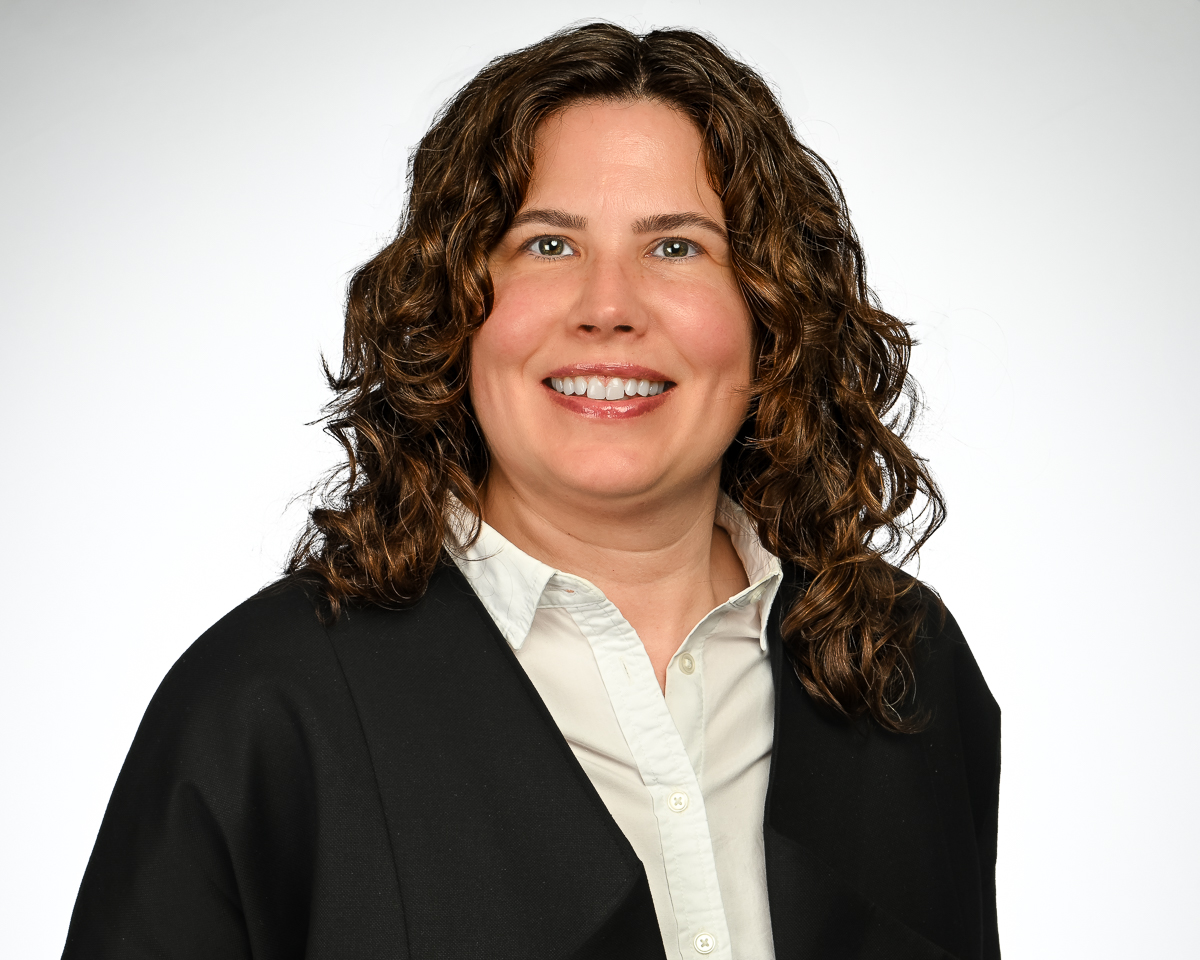
Picture Susan: At 60, she’s been employed as a librarian in Cleveland for most of her working career and makes $87,000 annually.
She intends to continue working until she turns 65 so she can receive her full pension benefit. She’s been married twice, the first ended in divorce with no children, and the second ended five years ago when her husband died, leaving her $750,000 in his retirement accounts.
Advertisement
They lived in his house with his children from a previous marriage, and he willed the house to his children, making Susan effectively their tenant. She loves her blended family, but she wants a house of her own to retire in.
Susan wants to buy a house of her own, but isn’t sure if that’s a great idea so close to retirement. We crunch the numbers for this scenario, plus look at whether the market is right for late-in-life homebuyers right now.
What should she do?
Susan’s financial situation is strong but not unlimited. She calculates that her pension payments will be about $3,750 per month, and her Social Security payment should be $2,158.00.
Her late husband’s $750,000 in retirement accounts provides a solid foundation, but that money must sustain her for 20 to 30 years.
Assuming moderate growth and a conservative 4% withdrawal rate, those funds would generate roughly $30,000 annually — about $2,500 per month — before taxes.
Combined with her pension and Social Security, she could expect to live on around $8,400 a month, which is comfortable but not cushy, particularly as health and home maintenance costs rise over time.
Buying a home now could offer stability and emotional satisfaction, but it would also tie up a significant portion of her liquid assets.

Advertisement
If she purchased a home around the national median of $435,000 and made a 20% down payment, she’d spend about $87,000 upfront and take on a $348,000 mortgage.
At current rates (at the time of this writing) near 6.7%, her monthly payment would be roughly $2,300 before taxes, insurance, and maintenance.
Once taxes, homeowners insurance, and maintenance are added in, her total monthly housing costs could approach $3,000.
That figure would absorb over a third of her expected $8,400 monthly retirement income, a ratio that is on the border of the recommended limit. Even a modest rise in property taxes, insurance premiums, or repair needs could strain her fixed income.
What’s more, she has to factor in unexpected expenses and money for enjoying her golden years. At 60, with just five years left in her career, Susan’s priority should be to protect her liquidity and keep monthly obligations low.
Advertisement
The smartest move for her would be to delay buying a home, or to consider purchasing a smaller property like a condo that she could put a significant down payment on.
Alternatively, she could continue renting and invest more of her earnings into savings, maintaining her cash flow and keeping her options open until her pension and Social Security payments begin.
Must Read
- Dave Ramsey warns nearly 50% of Americans are making 1 big Social Security mistake — here’s what it is and the simple steps to fix it ASAP
- Robert Kiyosaki begs investors not to miss this ‘explosion’ — says this 1 asset will surge 400% in a year
- Vanguard reveals what could be coming for U.S. stocks, and it’s raising alarm bells for retirees. Here’s why and how to protect yourself
Join 250,000+ readers and get Moneywise’s best stories and exclusive interviews first — clear insights curated and delivered weekly. Subscribe now.
The advantages of renting vs. owning
On the other hand, we don’t know if Susan’s current situation, where she may be living rent free or for reduced rent, will change in the near future. Often, informal financial arrangements between family members can get complicated quickly. If her adopted children decide they want to raise her rent or sell the house, she might be forced to make a choice before she’s ready.
Renting in the suburbs of Cleveland is relatively affordable today. Recent listings data put average rents around $1,232 in University Heights and about $1,197 in Shaker Heights (which is well below national average levels) and leaves more room in Susan’s budget than a new mortgage would (1).
Given Susan’s five-year runway to retirement and the importance of liquidity, a year or two of renting in University Heights or Shaker Heights could be a smart bridge.
Advertisement
Average rents in these neighborhoods would likely keep her total housing outlay closer to one third of her projected monthly retirement income, which preserves flexibility for healthcare and other unexpected costs.
The Cleveland market has been competitive in 2025, so starting early and being ready with paperwork can shorten the process and improve negotiating power on move-in dates or concessions.
Buying a first home at 60 isn’t impossible, but it requires balancing the heart’s desire for ownership with the head’s caution about liquidity.
For someone retiring soon on $6,000 a month, a $450,000 home might be a stretch. A modest purchase, or continued renting paired with investment growth, might better protect Susan’s long-term stability.
The decision comes down to one question: what offers more peace of mind — owning the roof over your head or keeping an umbrella fund for a rainy day?
Article sources
We rely only on vetted sources and credible third-party reporting. For details, see our editorial ethics and guidelines.
Apartments.com (1)
You May Also Like
- Turning 50 with $0 saved for retirement? Most people don’t realize they’re actually just entering their prime earning decade. Here are 6 ways to catch up fast
- This 20-year-old lotto winner refused $1M in cash and chose $1,000/week for life. Now she’s getting slammed for it. Which option would you pick?
- Warren Buffett used these 8 repeatable money rules to turn $9,800 into a $150B fortune. Start using them today to get rich (and stay rich)
- Here are 5 easy ways to own multiple properties like Bezos and Beyoncé. You can start with $10 (and no, you don’t have to manage a single thing)

Will Kenton is a personal finance writer with a Master's degree in Economics who has been published in Investopedia, AP News, TIME Stamped and Business Insider among other publications.