Feb 16, 2026
Robert Kiyosaki is an author, speaker, and investor best known for his 1997 bestseller "Rich Dad Poor Dad." He remains a prominent financial commentator, frequently sharing his views on TV networks and social media, where he discusses investing, economic cycles and wealth-building strategies.
Kiyosaki has built his fortune through a mix of ventures that extend beyond book sales, including real estate holdings, educational products, the Cashflow board game and high-paid speaking engagements [1].
Robert Kiyosaki’s net worth
The most popularly reported figure for Robert Kiyosaki’s net worth is $100 million by Celebrity Net Worth, but this figure is debatable and the media outlet does not reveal its calculation for arriving at that figure. [2]

Sponsored
Start Earning Passive Income
Backed by Jeff Bezos, Arrived is an online platform that makes investing in rental homes and vacation rentals effortless. Buy shares with as little as $100 and start earning passive income today with Arrived.
Get StartedWhat does Robert Kiyosaki invest in? Investment strategies and holdings
Robert Kiyosaki takes a contrarian view of investing, rejecting traditional advice and formal education. He believes financial skills are best learned outside the classroom and calls college a waste of time and money.
Advertisement
It’s not clear exactly which specific funds Kiyosaki has in his personal portfolio. However, he promotes owning real estate, precious metals and, more recently, cryptocurrencies like Bitcoin. Kiyosaki distrusts government fiscal and monetary policy and warns against investing in stocks or bonds, famously saying, “I don’t own oil company stocks, I own oil wells.” His strategy centers on owning real assets that produce income or hold value during economic instability [3].
In November 2023, Kiyosaki said on an Instagram reel that he was $1.2 billion in debt [4], but he insisted that debt was backed by assets. In 2025, Robert Kiyosaki posted on X that he made a major portfolio adjustment after selling $2.25 million worth of his Bitcoin holdings. In this message, he claimed he first bought BTC at around $6,000 per coin, which represents a 1,400% gain to Bitcoin’s price of $90,000 at the time of sale. The main reason Kiyosaki sold his Bitcoin was to buy “surgery centers and Bill Board [sic] business” that he estimates will bring him $27,500 per month starting in February 2026, and bumping up his total monthly cash flow to above $100,000.
However, Kiyosaki noted that he remains “bullish” on Bitcoin for the long term, and he plans to buy more BTC once he’s cash flow positive on this new deal.
Salary info
Robert Kiyosaki does not receive a traditional annual salary. Instead, his income stems from a diversified and complex array of revenue streams [5]:
- Royalties and licensing: He earns income from his "Rich Dad Poor Dad" book series and related products, including the Cashflow board game and other educational materials.
- Public speaking and coaching: He generates income from books, courses, coaching, speaking appearances, investments and one-on-one coaching, often conducted under his Rich Dad brand umbrella.
- Investments and tangible assets: He holds investments in real estate, precious metals (like gold and silver) and cryptocurrencies, which generate passive income and may appreciate over time.
Because these income sources vary due to speaking schedules and investment performance, they cannot be boiled down to a single “salary,” making overall income amounts speculative.

Sponsored
Automated Investing To Grow Your Money
Let the power of compound interest work for you. Acorns rounds up every purchase and invests the spare change for you. Put investing on autopilot and grow your wealth with Acorns.
Get StartedKey milestones in Robert Kiyosaki’s career
- First venture: Rippers (early 1980s). At age 30, Kiyosaki launched Rippers, a company selling nylon Velcro wallets popular with surfers in Hawaii [6]. The business marked his entry into entrepreneurship.
- Breakthrough: "Rich Dad Poor Dad" (1997). After early business failures and work as a motivational speaker, Kiyosaki self-published Rich Dad Poor Dad, which became a global bestseller and laid the foundation for his career as a financial educator.

- Expansion: The Rich Dad Company and Cashflow board game (late 1990s). Kiyosaki co-founded The Rich Dad Company with his wife, Kim, and launched the Cashflow board game to teach financial literacy concepts.
- Mainstream success: Warner Books deal and media appearances (2000s). "Rich Dad Poor Dad" was reissued by Warner Books, reaching millions of readers worldwide. Kiyosaki became a regular guest on TV programs, including Oprah, Fox News, and PBS specials, cementing his place in financial media.
- Alternative assets advocacy (2010s to present). Kiyosaki has been a vocal supporter of gold, silver and Bitcoin, often warning about U.S. economic instability and rejecting traditional stock investing.
Robert Kiyosaki quotes on personal finance
Given his decades of writing and teaching, many of Robert Kiyosaki’s most memorable quotes reflect the philosophy behind "Rich Dad Poor Dad": prioritizing cash flow, exercising discipline and thinking long term.
On prioritizing investments:
“ ... [M]ost people view a surplus as an asset. They save their extra cash in the bank or they spend it on liabilities. Rather than view extra money as an asset, Rich Dad viewed it as an expense to be invested. By making investments an expense in his budget, my rich dad ensured that he would make them a priority. He called it paying himself first.” — "Rich Dad Poor Dad" (1997)
On discipline in investing:
“The number-one control you must have to be an investor is control over yourself. If you cannot control yourself, the highs and lows of the market will run you, and you will lose during one of those ups or downs.” — "Rich Dad’s Guide to Investing" (2000)
On building lasting wealth:
“It’s not how much money you make, but how much money you keep, how hard it works for you and how many generations you keep it for.” — "Rich Dad Poor Dad" (1997)
How many books has Robert Kiyosaki written?
“Rich Dad, Poor Dad” was just the beginning of Kiyosaki’s prolific career as an author. Overall, Robert Kiyosaki has 39 books attributed to his name.
Some of Kiyosaki's most popular books include:

Advertisement
- “Rich Dad’s Guide to Investing”
- “Retire Young, Retire Rich”
- “Capitalist Manifesto: How Entrepreneurs can Save Capitalism”
- “Increase your Financial IQ”
- “Why the Rich are Getting Richer”
Outside of these, Kiyosaki has also co-authored two finance books with Donald Trump — “Why We Want You to be Rich” and “Midas Touch: Why Some Entrepreneurs Get Rich and Why Most Don’t.”

The Cashflow Quadrant
Robert Kiyosaki’s 2011 book “Cashflow Quadrant: Rich Dad’s Guide to Financial Freedom” describes the financial concept that Kiyosaki himself developed.
He writes that the cashflow quadrant is made up of four sections, each of which generates income:
- E — Employees
- S — Self-employees
- B — Business owners
- I — Investors
Some people earn money from just one of these quadrants, while others may receive income from multiple avenues.
Advertisement
Kiyosaki believes that business owners and investors are the two quadrants that pave the way to financial freedom. If you want to gain financial independence, you should develop the skills that will allow you to grow from being employed to being a business owner or investor.
In other words, you want to shift your income from active to passive.
Ultimately, “Cashflow Quadrant” encompasses one of Kiyosaki’s most-valued philosophies: that financial independence is king.
Who is Robert Kiyosaki? Personal life and history
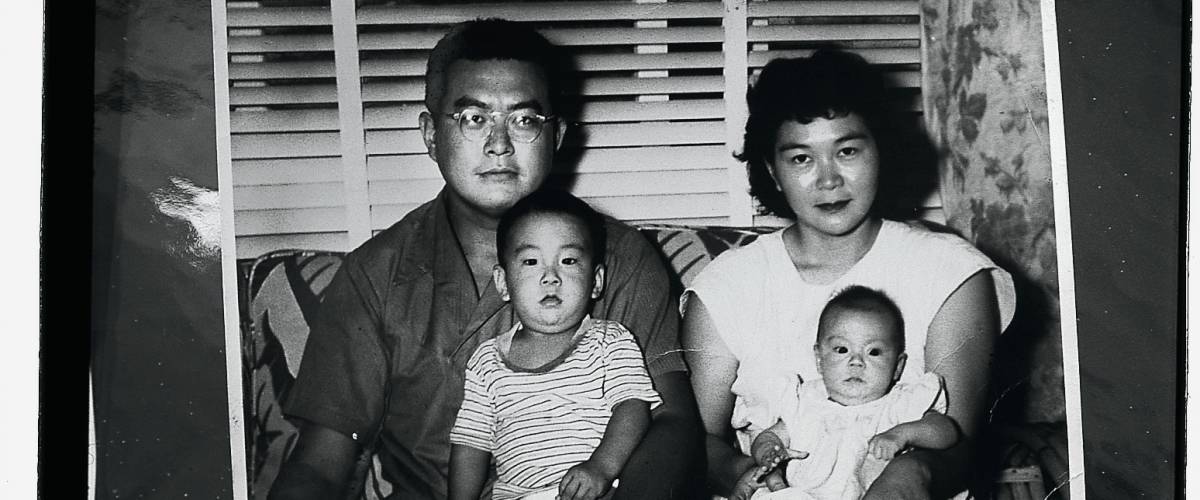
Born April 8, 1947, Kiyosaki grew up in a small town in Hawaii and went to college at the United States Merchant Marine Academy in New York state. He later served in the Marine Corps during the Vietnam War.
FAQs
How did Robert Kiyosaki become wealthy?
The main source of Robert Kiyosaki’s wealth comes from his books and speaking fees.
What are Robert Kiyosaki’s main investment principles?
Make your money work for you: Buy real assets like real estate and avoid institutions like governments and stock markets.
What is Robert Kiyosaki’s stance on real estate investing?
Kiyosaki is a big proponent of real estate investing, and he advocates taking on debt as leverage to increase real estate holdings.
Does Robert Kiyosaki still publish books or give financial advice?
Kiyosaki does still give financial advice, though he is more active on digital platforms and social media in 2025 than in book publishing
Does Robert Kiyosaki own Bitcoin?
Robert Kyosaki is an outspoken fan of Bitcoin and holds some of this cryptocurrency in his portfolio. Although we don’t know how much BTC he has, Kiyosaki mentioned in 2025 that he sold $2.25 million worth of Bitcoin when it was trading around $90,000 per coin, and he plans to buy more in the future.
Is Robert Kiyosaki a Republican?
Robert Kiyosaki hasn’t publicly identified himself as a registered Republican, but he often shares views that align with conservative or libertarian ideas, and he has been a vocal supporter of President Donald Trump.
Article sources
At Moneywise, we consider it our responsibility to produce accurate and trustworthy content people can rely on to inform their financial decisions. We rely on vetted sources such as government data, financial records and expert interviews and highlight credible third-party reporting when appropriate.
We are committed to transparency and accountability, correcting errors openly and adhering to the best practices of the journalism industry. For more details, see our editorial ethics and guidelines.
Advertisement
[1]. Rich Dad. “Robert T. Kiyosaki”
[2]. Celebrity Net Worth. "Robert Kiyosaki Net Worth"
[3]. Economic Times. "Why Warren Buffett, Jim Rogers are ditching stocks & bonds? Rich Dad Poor Dad author Robert Kiyosaki explains"
[4]. Instagram. "Robert Kiyosaki — I use debt as money & don’t save cash… THIS is why"
[5]. Investopedia. "Robert Kiyosaki: The Man Behind ‘Rich Dad Poor Dad’"
Sponsored
Trade your favorite stocks any time
Investing doesn't have to be hard. Robinhood is the only place you can trade stocks, options and ETFs 24 hours a day, 5 days a week, all still commission-free. Start building your portfolio with as little as $1.

Will Kenton is a personal finance writer with a Master's degree in Economics who has been published in Investopedia, AP News, TIME Stamped and Business Insider among other publications.